
Rehab in San Diego
Finding rehab in San Diego starts with knowing what each level of care actually does. Of the 60 facilities listed through SAMHSA, 22 offer medical detox and 41 offer outpatient care. A free helpline can walk you through the options before you decide anything.
- facilities listed
- 60
- provide detox
- 22
- work with Medicaid
- 36
Overdose data for San Diego County
Provisional CDC numbers for the 12 months through May 2026 count 8,250 overdose deaths in the county, a 12 percent drop from the period before. Opioids are tied to 4,710 of those deaths, and fentanyl alone to 4,047, down 16 percent. Fentanyl is linked to 4,047 deaths in San Diego, which is why opioid treatment capacity matters locally.
Methamphetamine appears in 4,784 deaths, down 14 percent, and cocaine in 1,397, up 4 percent, the one category that rose. Heroin deaths fell to 178 and prescription opioid deaths to 616. These numbers describe a county where polysubstance use is common and where one drug rarely tells the whole story.
If you have lost someone or you are using alone, then naloxone access and harm reduction programs are worth knowing about. Staff at the helpline can point you toward them.
| Drug | Past year | Prior year | Shift |
|---|---|---|---|
| Every type of overdose | 8,250 | 9,327 | -12% |
| Opioids of any type | 4,710 | 5,480 | -14% |
| Fentanyl plus other synthetic opioids | 4,047 | 4,797 | -16% |
| Heroin | 178 | 244 | -27% |
| Opioid painkiller overdoses | 616 | 678 | -9% |
| Meth overdoses | 4,784 | 5,566 | -14% |
| Cocaine | 1,397 | 1,341 | +4% |
CDC early counts, 12 months ending May 2026. Later months can grow as data arrive.

What rehab in San Diego treats
Alcohol is the most common reason people seek treatment here, and 35 facilities list medications for alcohol use disorder, including naltrexone and acamprosate. Opioids come next: 43 programs list buprenorphine and 4 operate as methadone clinics. Buprenorphine at 43 San Diego treatment programs gives people with opioid use disorder a medication option outside a methadone clinic.
Methamphetamine is a major concern locally, with 15 facilities offering detox for it, and 15 also list cocaine detox. Benzodiazepine withdrawal is handled at 16 facilities, and it needs medical supervision because seizures are a real risk. A facility that offers dual diagnosis care can treat mental health conditions alongside substance use, and that combination is common.
If you are unsure what you are dealing with, then a screening is the right first move. It is a conversation, not a diagnosis, and it tells you which level of care fits.

What happens when you call the helpline
This helpline is answered by trained advisors, not a facility's admissions desk, and talking with them is free and confidential. A typical call runs 10 to 15 minutes. The advisor asks what substances are involved, how long the person has used them, whether medical or mental health conditions exist, what insurance or payment you have, and how far you can travel within the county. A free helpline call in San Diego carries no obligation and does not commit you to any program.
What you share stays with the advisor and is not reported, and no one will pressure you to enroll. If your situation sounds medically urgent, the advisor will say so and direct you to emergency care or to 988 for crisis support. For general referrals, the SAMHSA National Helpline at 1-800-662-4357 is also available.
If you are calling about someone else, then have their approximate age, substances used and insurance information ready. You can still call without it. The advisor will explain each next step before it happens so you know what to expect.
Commonly chosen rehab centers in San Diego
-
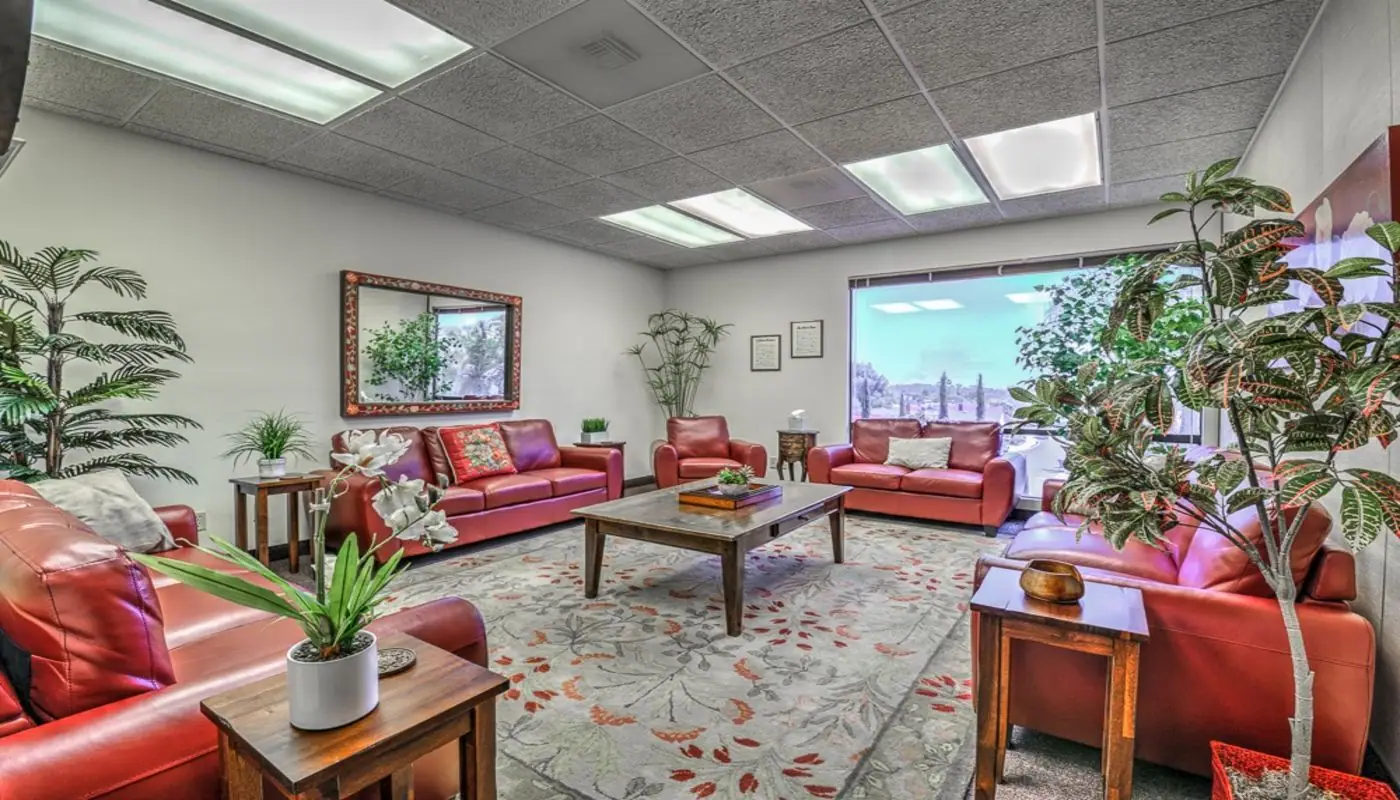
The Bridges of San Diego
La Mesa, CA · 5 days
Located in California, The Bridges of San Diego La Mesa is an outpatient treatment center.
- Joint Commission
- Co-Occurring Mental Health
- Outpatient
-
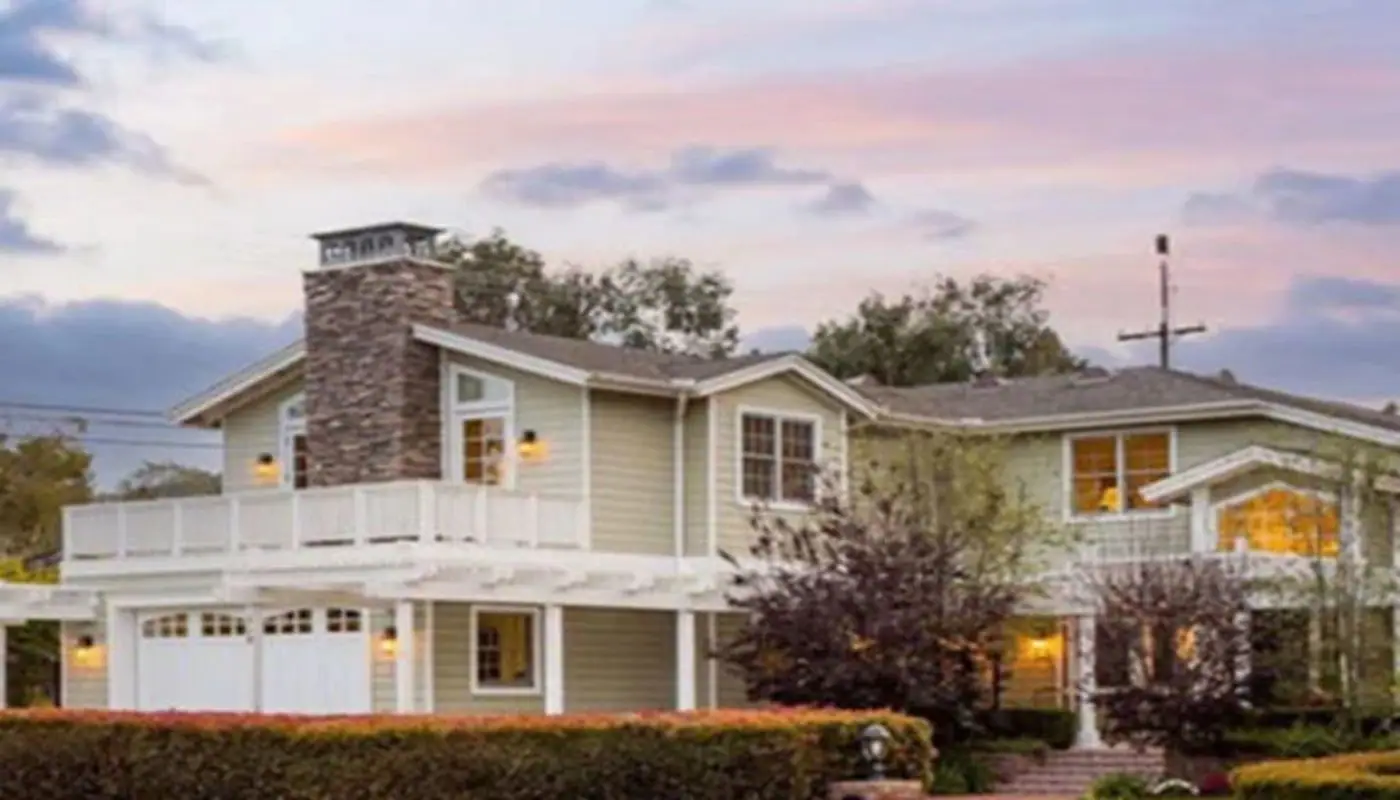
Evolve Teen Treatment Center
4.0/58 visitor ratings on Google
Encinitas, CA · 45 days · 2-5 beds
Evolve Teen Treatment Center Encinitas is a residential program on Cole Ranch Road.
- Joint Commission
- Residential Rehab
- Detox
-

Pillars Recovery
Newport Beach, CA · 30 days · 6-15 beds
Pillars Recovery Newport Beach is a men's program on Old Newport Boulevard with detox and residential care.
- Joint Commission
- Residential Rehab
- Co-Occurring Mental Health
- Detox
-

Confidential Recovery
5.0/525 visitor ratings on Google
San Diego, CA · 30 days
Confidential Recovery offers an intensive outpatient program for adults in San Diego.
- Joint Commission
- Co-Occurring Mental Health
- Outpatient
-
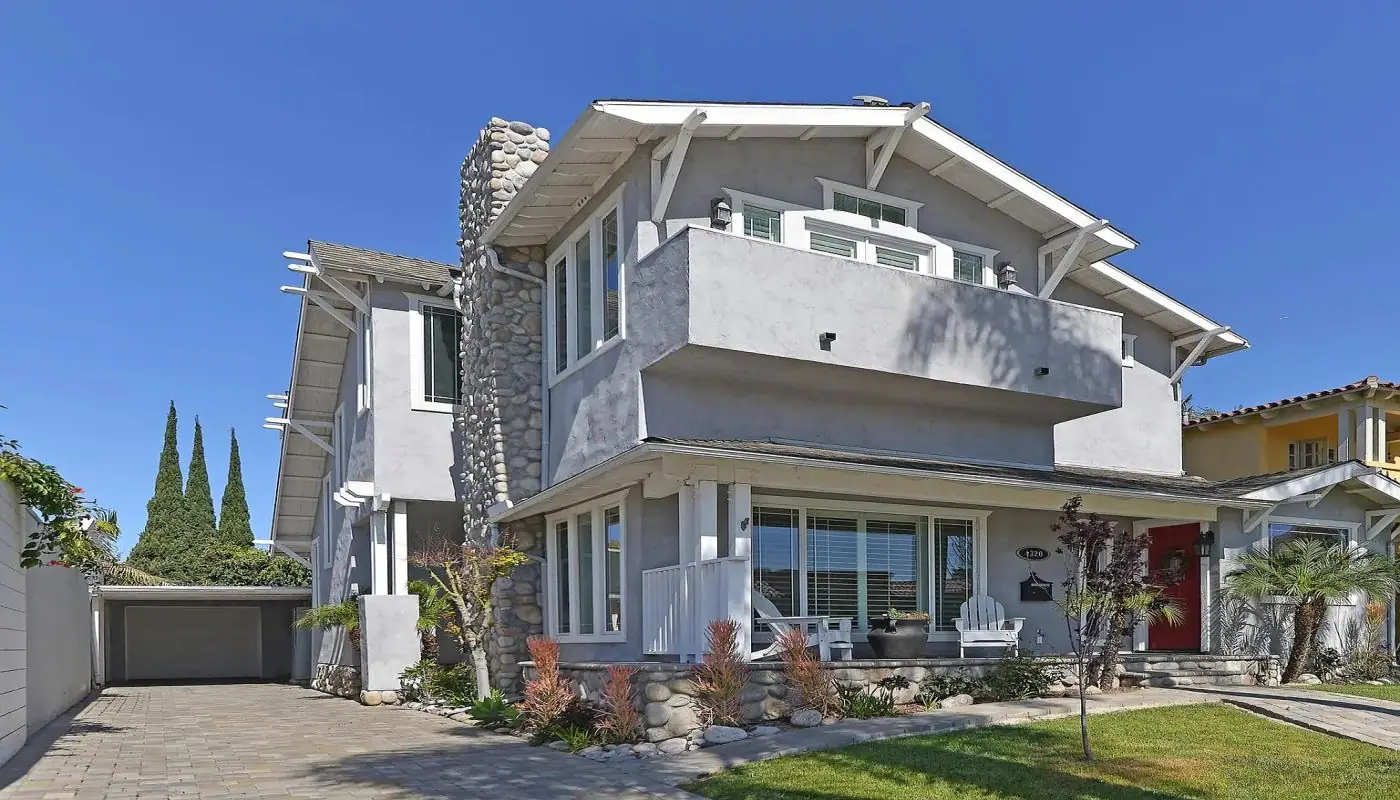
Healthy Life Recovery Detox and
4.9/5109 visitor ratings on Google
San Diego, CA · 30 days · 6-15 beds
Healthy Life Recovery Detox and Residential is on Trias Street.
- Joint Commission
- Residential Rehab
- Co-Occurring Mental Health
- Detox
-
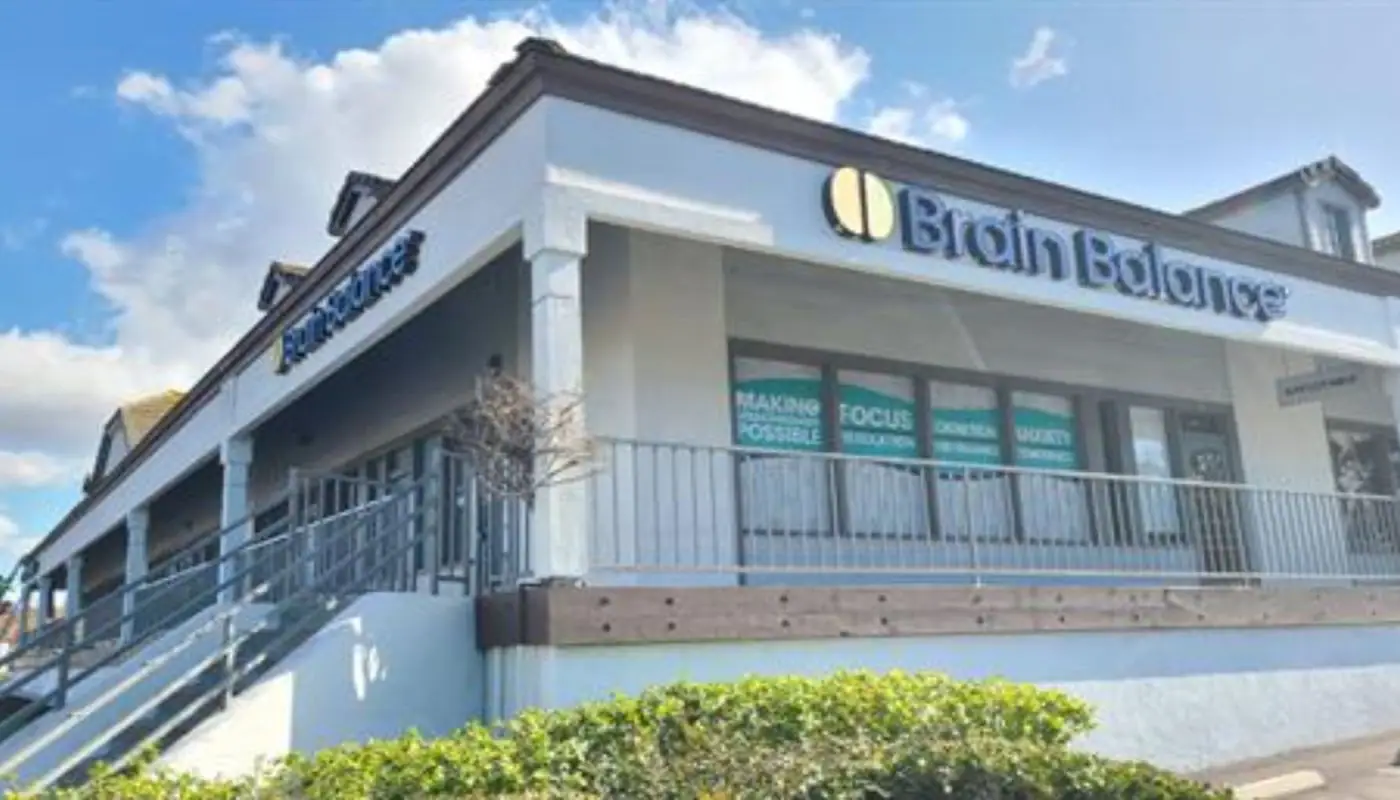
Brain Balance Center of Encinitas
5.0/56 visitor ratings on Google
Encinitas, CA · 28+ days
Brain Balance Center of Encinitas is an outpatient program in Encinitas, California.
- Outpatient
-

South Coast Behavioral Health
4.8/5174 visitor ratings on Google
Newport Beach, CA · 30 days
In Newport Beach, California, South Coast Behavioral Health Newport Beach operates as a treatment program.
- Co-Occurring Mental Health
- Detox
-
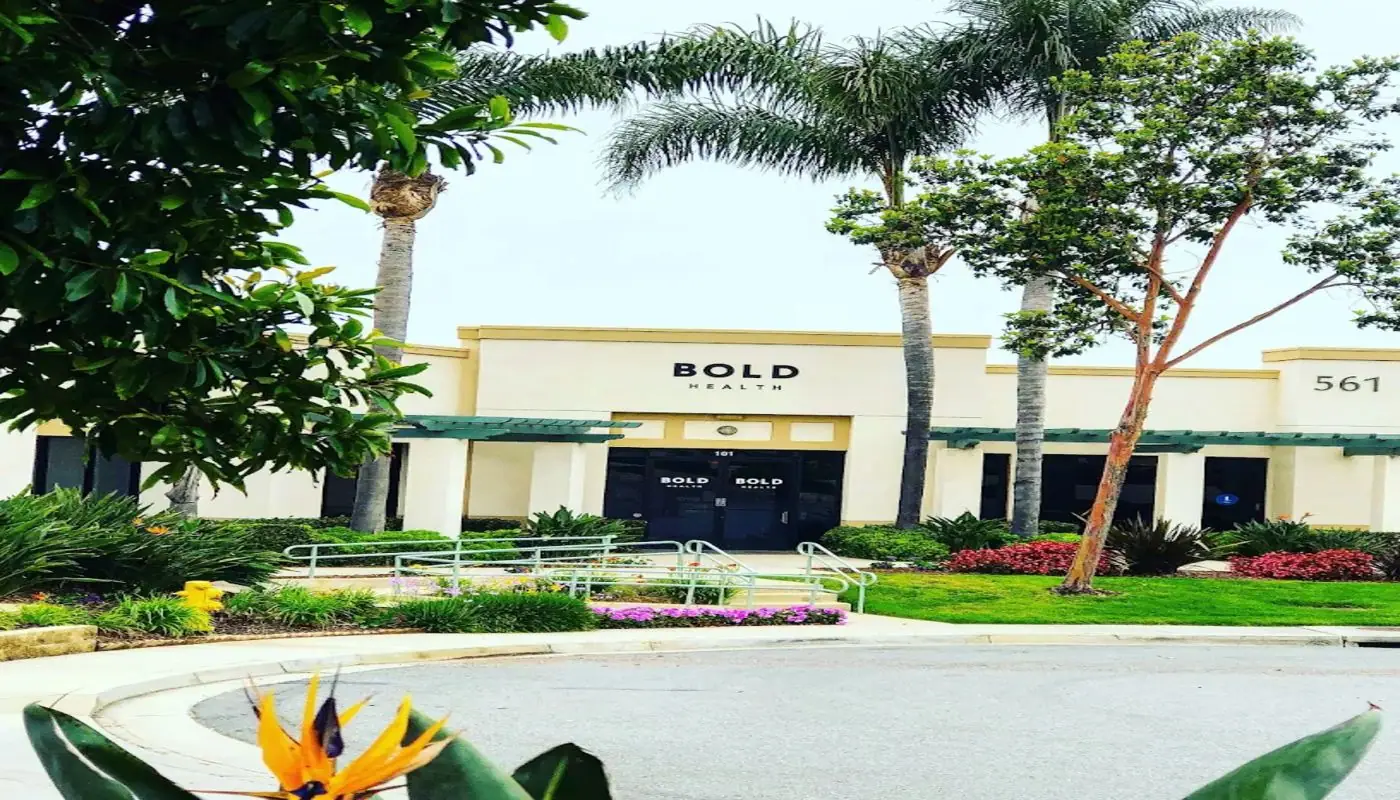
BOLD Health
4.0/534 visitor ratings on Google
Encinitas, CA · 5 days
Bold Health Encinitas is an outpatient center for substance use and mental health.
- Joint Commission
- Detox
- Outpatient
-

The Neurodivergent Collective
4.1/59 visitor ratings on Google
Newport Beach, CA · 30 days
The Neurodivergent Collective Newport Beach is an outpatient mental health program.
- Outpatient

Rehab options around San Diego County
Treatment is not concentrated in one part of the county, and driving distance can decide whether you can actually stay in a program. El Cajon has 4 listed facilities about 13 miles from the center, Chula Vista has 3 about 7 miles out, and La Jolla has 3 roughly 11 miles away. Choosing a rehab center in San Diego near your home area can make daily outpatient attendance realistic.
For people in recovery, San Diego also offers sober activities and peer support groups across the county, and many outpatient programs will help you find them. If you are considering sober living, then ask the program for a referral list rather than signing a lease before you have toured the residence.


Paying for rehab in San Diego
Cost is the question most people ask first, and the answer depends on coverage rather than on the facility's reputation. In this area, 36 facilities accept Medicaid, 31 accept private insurance, 22 accept Medicare, 18 accept TRICARE and 14 accept state insurance plans. Medicaid covers rehab in San Diego at 36 listed facilities, and California has adopted Medicaid expansion.
Under federal parity law, most private plans must cover substance use treatment on terms comparable to medical and surgical care. This guarantees neither a particular facility nor a level of care, but a plan cannot simply shut out treatment for addiction. Before you tour any program, call the number located on your insurance card and ask what detox and residential benefits you have.
For people paying out of pocket or with limited coverage, 36 facilities list self-pay options, 16 offer sliding fee scales and 11 list financial assistance. Twenty-one receive block grant funding, which often supports people without insurance. Two facilities report no fee at all. A sliding scale at 16 centers can lower the cost of outpatient rehab in San Diego significantly.
Medicare covers some treatment for people 65 and older, and 22 facilities accept it. If you are uninsured, then start with the county's behavioral health access line or a facility that receives block grant funds, since those programs are built for exactly this situation.
- take Medicaid
- 36
- covered by private insurance
- 31
- take Medicare
- 22
- provide income-based fees
- 16
Levels of care available in San Diego
Rehab in San Diego spans six main levels of care, and the 60 SAMHSA-listed facilities are not interchangeable. Someone with mild withdrawal symptoms may do well in outpatient care, while someone who drinks heavily every day usually needs medical supervision first. The county lists 22 detox programs and 20 inpatient rehab centers for people who need 24-hour support.
For many people, detox is the first choice to make. In medical detox, staff manage withdrawal and monitor vital signs—important because unsupervised alcohol and benzodiazepine withdrawal can be dangerous. The area has 22 facilities offering detox, including 20 that list alcohol withdrawal support and 22 that list opioid withdrawal support.
After detox, the choice is usually residential or outpatient. Residential treatment gives structure and distance from triggers, and 20 programs offer it. Partial hospitalization, listed at 14 facilities, runs several hours a day without overnight stays. Intensive outpatient, at 28 programs, typically meets a few times a week, and general outpatient care is the most common option at 41 facilities.
If you need medication-assisted treatment in San Diego, then 43 programs list buprenorphine and 39 list naltrexone. Methadone is more limited, with 4 opioid treatment programs in the area. Two hospitals also provide care for people with medical complications. Telehealth appears at 43 facilities, which helps if transportation or scheduling is a barrier.
One more distinction matters: a center and a program are not the same thing. A single facility may run both an inpatient unit and an outpatient clinic, so ask which specific service you are being screened for.